Unravelling the causes of the Ice Age megafauna extinctions
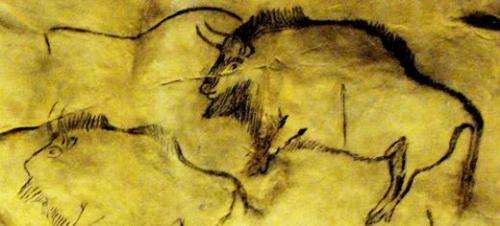
Was it humans or climate change that caused the extinctions of the iconic Ice Age mammals (megafauna) such as the woolly rhinoceros and woolly mammoth?
For decades, scientists have been debating the reasons behind these enigmatic Ice Age mass extinctions, which caused the loss of a third of the large mammal species in Eurasia and two thirds of the species in North America.
Now an extensive, inter-disciplinary research team, involving over 40 academic institutions around the world and led by Professor Eske Willerslev's Centre for GeoGenetics at the Natural History Museum, University of Copenhagen, have tried to tackle the contentious question in the biggest study of its kind. And the answers are far more complicated than ever imagined.
The study, published online in the journal Nature reveals that neither climate nor humans alone can account for the Ice Age mass extinctions. Using ancient megafauna DNA, climate data and the archaeological record, the findings indicate dramatically different responses of Ice Age species to climate change and humans.
For example, the study shows that humans played no part in the extinction of the woolly rhino or the musk ox in Eurasia and that their demise can be entirely explained by climate change. On the other hand, humans aren't off the hook when it comes to the extinction of the wild horse and the bison in Siberia. Our ancestors share responsibility for the megafauna extinctions with climate change. While the reindeer remain relatively unaffected by any of these factors, the causes of the extinction of the mammoths is still a mystery.
Eske Willerslev said: "Our findings put a final end to the single-cause theories of the Ice Age extinctions, and suggests that care should be taken in making generalizations not just regarding past and present species extinctions but also those of the future; the impacts of climate change and human encroachment on species extinctions really depends on which species we're looking at."
However, Eline Lorenzen from the University of Copenhagen and lead author of the study said, "We do find that climate change has been intrinsically linked with major megafauna population size changes over the past 50,000 years, supporting the view that populations of many species will decline in the future owing to climate change and habitat loss."
Despite the unparalleled amount of data analysed in this study, the authors find no clear pattern distinguishing species that went extinct from species that survived, suggesting that it will be extremely challenging for experts to predict how existing mammals will respond to future global climate change.
Professor Alan Haywood, a paleoclimatologist from the School of Earth and Environment at the University of Leeds, who helped provide climate simulations for the project, said: "This new study is conclusive in its size and scale, and points to climate change as a major driver of extinctions for specific megafauna. But in a wider context, statements about how species are going to respond in the future to global warming are extremely difficult to make on the basis of what's happened in the past."
Professor Paul Valdes, Professor of Physical Geography in the School of Geographical Sciences, University of Bristol, said: "This work shows how complex the natural system is and the considerable risks we run with future climate change. The combination of climate change and habitat pressure will make it very difficult to anticipate future changes.
Professor Michi Hofreiter, of the Department of Biology at the University of York, said: "It is remarkable that despite the huge amount of data analysed in this study no clear pattern emerged that allows distinguishing surviving from extinct species. This shows that each species reacts differently to environmental changes. Therefore, we should probably be very careful with making generalizations, both about what happened in the past and what might happen in the future."
Alexei Tikhonov, director of the Zoological Museum in St Peterburg, said "This study really is a huge enterprise. Alone the collection of the samples has taken years of effort. Not only my institute, but participants from Copenhagen and other institutions have endured the severe conditions of the Siberian north for weeks and months at a time to bring back not only bone samples, but also the whole bodies of mammoth, horse, woolly rhino, bison, which we later used for DNA analysis".
Provided by University of Leeds


