Conservationists to CITES: Stop trade in wild cheetahs
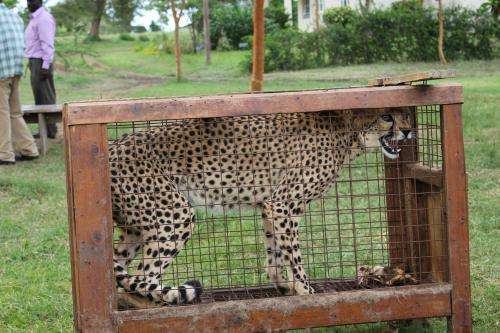
The Wildlife Conservation Society, Zoological Society of London, and Endangered Wildlife Trust have joined representatives from Ethiopia, Kenya, and Uganda at the Convention on International Trade in Endangered Species of Wild Fauna and Flora (CITES), currently meeting in Bangkok, to highlight the plight of wild cheetahs threatened by the illegal pet trade.
The three African nations were spurred into action due to growing concern for declining eastern Africa cheetah populations - currently thought to be the source for smugglers. The CITES Conference of the Parties has today officially accepted the proposal to commission the first serious study of the cheetah trade that should form the basis for future conservation action.
Each year many cheetahs are illegally taken from the wild. In 2011, the Coalition Against Wildlife Trafficking (CAWT) recorded 27 known cases involving the trafficking of 70 cheetahs within a 12-month period, though conservationists believe total figures are much higher.
Most of the known cases of smuggled cheetahs involve small cubs because they are easier to handle and tame. More than half are believed to die in transit, and scientists fear that the trade in live animals could be impacting the survival of the cheetah populations in the Horn of Africa.
Dr. Nick Mitchell of the Wildlife Conservation Society and the Zoological Society of London (ZSL) and said: "Cheetahs are already extinct in many countries, and in eastern Africa resident populations are known to exist in just 6 percent of their estimated historical range. Cheetahs only occur at very low density numbers in the wild so the removal of individual animals to supply a demand for exotic pets could have significant consequences for the survival of those populations."
Aside from the illegal wildlife trade, cheetahs face multiple threats ranging from the loss of their habitat to persecution by farmers who fear their livestock are in danger. The conservation status of cheetahs is classed as Vulnerable under the Red List of Threatened Species.
ZSL's Senior Research Fellow Dr. Sarah Durant said: "Cheetahs are declining across much of their range and are now thought to number less than 10,000 individuals. Any illegal trade in cheetahs will exacerbate these declines."
Kelly Marnewick of the Endangered Wildlife Trust said: "Currently the trade is known to affect many countries across Africa but we don't have a good understanding of the scale, the trade routes or the mode of operation."
Provided by Wildlife Conservation Society


