'Invisible' Filipino history in Annapolis documented by UMD researchers
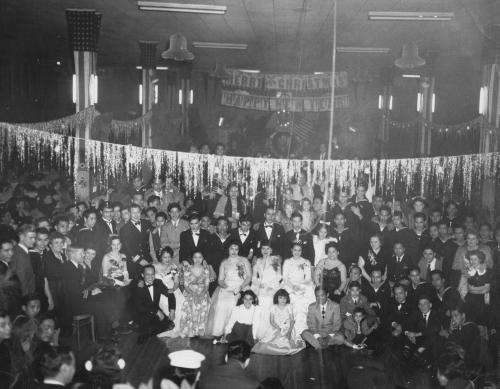
Filipinos have been an invisible minority in Annapolis, Maryland for more than a century. Now, researchers at the University of Maryland are using oral histories as a way to flesh out their life and times – documenting the incredible challenges they faced – and successes they celebrated.
After the Spanish-American War, the Philippines became a U.S. territory. Filipinos were brought to Annapolis – home of the Naval Academy – to serve as desk interns, fire fighters, construction laborers, messmen and stewards. In many cases, the Naval Academy replaced African Americans with Filipinos leading to increased racial tensions.
For three years, University of Maryland Archeologist Mark Leone's Archaeology in Annapolis Summer Field School has worked to uncover what has been described as a surprisingly complex relationship between the ethnic communities – that was at times marked by violence but also intermarriage and social inter mixing.
And while the archeological digs have produced some amazing discoveries (see Forgotten Annapolis Immigration Conflict Uncovered by the UMD Archeology Project), the Filipino community itself has come to feel that their story in Annapolis has not been told. As one former steward says, "No one ever asks Filipinos about their history or knows of it."
But this past summer, the Maryland Archeology in Annapolis project took a giant step towards giving this underrepresented community a voice. UMD graduate student Kathrina Aben interviewed ten individuals – early pioneers, descendants, and new immigrants. By trying to understand Filipino – American history, archeologists hope to put history to paper for the first time and find new locations in Annapolis to explore.
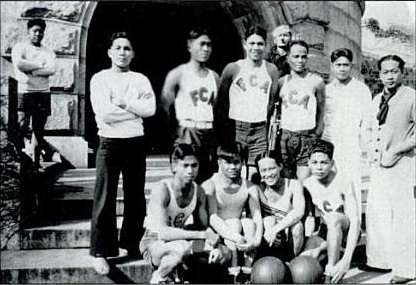
Aben – who is studying archaeology - says that the oral histories help "reveal the structural racism Filipinos faced and details the methods they came to use to combat both social and legal discrimination." She says further alienation resulted from racial tension with the white and black communities over job competition and fears of miscegenation.
"There was a lot of things that happened that I don't like," says former steward Leo Toribio. "At that time, discrimination was tight."
Over the years, the Filipino community created their own haven in Annapolis. They lived inside and outside of the city. Filipinos occupied locations such as Hell Point, Eastport, and Truxon Heights. Yet they still struggled with acceptance by city residents. Filipino-run restaurants – like one on Cornhill Street – had no name and advertised by word of mouth. Customers would order "Hawaiian" food despite their unmistakable Filipino roots.
There was a social organization – the Filipino-American Friendly Association created in the 1920s whose clubhouse on 4 Dock Street is especially interesting to Professor Leone. "It's a culturally significant site," he says, "that has great potential for archeological research."
Aben is hoping that additional sites, like the Association clubhouse, will become part of the Archeology in Annapolis Summer Field School program.
"Filipinos are bound together even today by their shared struggles of immigration, segregation and integration," Aben says. "This research remains relevant and important to the Filipinos still living in Annapolis and the overall Filipino diaspora in the U.S.
Provided by University of Maryland


