Attitudes could hamper hurricane evacuations
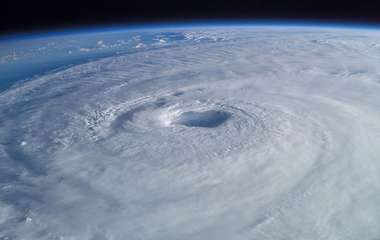
(Phys.org)—With Hurricane Isaac threatening the U.S. mainland, emergency management personnel might soon have to confront some of the misinformed mindsets of potential evacuees. If South Carolinians are any indication, the attitudes of coastal residents facing oncoming hurricanes might pose an obstacle to safe evacuations.
Survey results released at the beginning of the 2012 hurricane season by researchers at the University of South Carolina showed a range of beliefs and plans that could hamper emergency planning and threaten the lives of those in the path of the storm.
Among the chief concerns is a widespread unwillingness to evacuate in advance of a Category 1 or Category 2 hurricane. Nearly two-thirds of coastal South Carolina residents, 61 percent, said they wouldn't do so. Strikingly, this was true even if they were in a designated storm surge zone, for which deadly levels of flooding are probable if a hurricane strikes the area.
"That really surprised us," said Susan Cutter, director of the Hazards and Vulnerability Research Institute at USC and leader of the research team conducting the survey. "We have experience in lots of places along the hurricane coasts where Category 1 and 2 storms have had historically strong impacts—obviously not as great as a larger magnitude storm, but nevertheless, it's a hurricane.
"People say, 'Oh Category 1, no big deal.' But any hurricane is a big deal, and people need to recognize that and take precautions. Being in a storm surge zone during any hurricane is very dangerous."
In addition, researchers used the addresses of respondents to determine that many residents didn't even know they lived in storm surge or flood zones. A third of the respondents were either uncertain or incorrect about their location's flood and surge designations.
Another problem is the possible added effect of what's called "shadow evacuations," in which residents outside of designated evacuation areas add to the crush of evacuees. The USC research team estimated that up to 100,000 people might swell the evacuation in the face of a major storm in the state, which would slow the process and potentially put more people in harm's way.
"We see shadow evacuations all the time," said Cutter. "Sometimes they're huge, like what happened with Hurricane Rita in Houston in 2005. It overwhelmed all of the emergency management for that particular storm—something on the order of a million and a half people evacuated, even though they were not in a designated evacuation zone."
"The results of this survey are really proving what we had hypothesized. This was our first effort to systematically assess the shadow evacuation before a storm occurs, and the data will be a valuable benchmark for future post-hurricane surveys."
Family pets another factor in evacuations
A family's concern for the welfare of its animals is, as the survey results showed, almost universal. That creates yet another obstacle to evacuating when necessary—one that emergency managers might want to take into account in planning public shelter options.
"We have seen evidence in the literature that one of the reasons people don't evacuate is because of family pets," Cutter said. "Not all public shelters accept pets. Not all hotels are pet-friendly. Families need to bring food for the pets. So it's definitely a factor in some households."
The state of South Carolina took these survey results into account in revising its hurricane plan for the 2012 season. A summary and the full report can be found on USC's Hazards and Vulnerability Research Institute website.
More information: webra.cas.sc.edu/hvri/sches2011.aspx
Provided by University of South Carolina


