Climate change and permafrost thaw alter greenhouse gas emissions in northern wetlands
Permafrost – the perpetually frozen foundation of the north – isn’t so permanent anymore, and scientists are scrambling to understand the pros and cons when terra firma goes soft.
Permafrost serves like a platform underneath vast expanses of northern forests and wetlands that are rooted, literally, in melting permafrost in many northern ecosystems. But rising atmospheric temperatures are accelerating rates of permafrost thaw in northern regions, says MSU researcher Merritt Turetsky.
In the report, “The Disappearance of Relict Permafrost in Boreal North America: Effects on Peatland Carbon Storage and Fluxes,” in this week’s online edition of Global Change Biology, Turetsky and others explore whether melting permafrost can lead to a viscous feedback of carbon exchange that actually fuels future climate change.
“The loss of permafrost usually means the loss of terra firma in an otherwise often boggy landscape,” Turetsky said. “Roads, buildings and whole communities will have to cope with this aspect of climate change. What this means for ecosystems and humans residing in the North remains of the most pressing issues in the climate change arena.”
Working closely with researchers from Southern Illinois University, Villanova University and the National Renewable Energy Laboratory, Turetsky, assistant professor of crop and soil sciences and fisheries and wildlife, found that permafrost degradation has complex impacts on greenhouse gas fluxes from northern wetlands.
Their study focused on peatlands, a common type of wetland in boreal regions that slowly accumulates peat, which is an accumulation of partially decayed vegetation. Today, peatlands represent a massive reservoir of stockpiled carbon that accumulated from the atmosphere over many thousands of years. Peat blankets the permafrost and protects it like a thick layer of insulation.
“We find permafrost in peatlands further south than in other boreal ecosystems due to the insulating qualities of peat. So we have argued that these ecosystems serve as a very sensitive indicator of climate change,” Turetsky said. “What will happen to peatlands when climate change disrupts these frozen layers, or perhaps more importantly what will happen to all of that stored carbon in peat, have remained big questions for us.”
Their results were surprising. Turetsky and her colleagues studied areas affected by permafrost degradation across a large region of Canada. They initially expected to find that the melting ice would trigger a release of greenhouse gases to the atmosphere, as previously frozen plant and animal remains became susceptible to decay.
“This could serve as a positive feedback to climate change, where typically warming causes changes that release more greenhouse gases, which in turn causes more warming, and more emissions, and so on,” she said.
But what the researchers actually found is not such a clear-cut climate story.
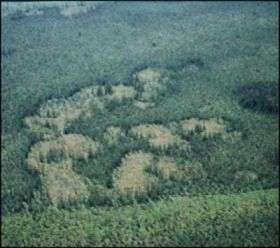
Permafrost collapse in peatlands tends to result in the slumping of the soil surface and flooding, followed by a complete change in vegetation, soil structure, and many other important aspects of these ecosystems, Turetsky said. The study showed that vegetation responds to the flooding with a boost in productivity. More vegetation sequesters more carbon away from the atmosphere in plant biomass.
“This is actually good news from a greenhouse gas perspective,” Turetsky said.
However, the report also cautions that this flooding associated with collapsing permafrost also increases methane emissions. Methane is an important greenhouse gas, which is more powerful than carbon dioxide in its ability to trap heat in the earth’s atmosphere.
Turetsky said it seems the permafrost degradation initially causes increased soil carbon sequestration, rather than the large releases of carbon to the atmosphere originally predicted. But over time high methane emissions will balance – or outweigh – the reduction of carbon in the atmosphere.
“Not all ecosystems underlain by permafrost will respond the same way,” Turetsky cautioned. “It will depend on the history of the permafrost and the nature of both vegetation and soils”.
What is clear, she said, is that not even northern ecosystems can escape the wide reach of climate change.
Source: Michigan State University


