Animal diseases increasingly plague the oceans
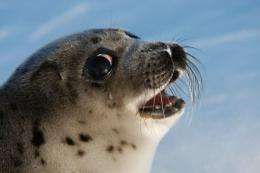
When dead sea mammals started washing ashore on Canada's west coast in greater numbers, marine biologist Andrew Trites was distressed to find that domestic animal diseases were killing them.
Around the world, seals, otters and other species are increasingly infected by parasites and other diseases long common in goats, cows, cats and dogs, marine mammal experts told a major science conference.
The diseases also increasingly threaten people who use the oceans for recreation, work or a source of seafood, scientists told reporters at the annual meeting of the American Association for the Advancement of Science, held this year in this western Canadian city.
The symposium "Swimming in Sick Seas" was one of many sessions at the meeting that drew a bleak picture of the state of the world's oceans, which are increasingly acidic, warming in some areas and being inundated with melting ice or other climate change effects.
"There are dramatic shifts in the ocean ecosystem," said Jason Hall-Spencer of Britain's University of Plymouth, citing his research in Italy, Baha California and Papua New Guinea that is "all showing the same thing" -- with an increase in carbon dioxide, "you get a 30 percent drop in microbes, plants and animals" in the oceans.
Gretchen Hofmann of the University of California at Santa Barbara said increasing ocean acidity, caused by CO2 from fossil-fuel burning, is killing shellfish young -- called spat -- worldwide.
In the Pacific Northwest of Canada and the United States, the failure of spat hatcheries threaten a commercial industry worth more than $200 million, said Hofmann.
Lisa Levin of the Scripps Institution of Oceanography in La Jolla, California, said warming of the water reduces how much oxygen it can hold, newly threatening deep-sea creatures that have survived for millennium under stable conditions.
"We've seen less than five percent of (animals) on the deep sea floor, and if we're wiping them out we'll never see them," Levin told the conference.
"There are undoubtedly organisms down there that can be very beneficial to us, that we have yet to find."
According to Trite, director of the Marine Mammal Research Unit at the Fisheries Centre at University of British Columbia, the bodies washing ashore are a grim signal.
"I see the dead mammals coming ashore as canaries in a coal mine," said Trite."
Parasites, funguses, viruses and bacteria are increasingly passed from land to sea animals because human settlements on coastlines changes water patterns through paving, filling of wetlands that are natural filters, and intensive agriculture run-off, said scientists.
Toxoplasma gondii (sometimes called kitty litter disease), round-worm, single-celled parasites that cause brain swelling and disease that cause cows to abort their fetuses add to the challenges marine animals face from human pollution, Trite said.
Diseases from large agriculture operations "can cause abortion storms" in sea animals, said Michael Grigg, a US expert in parasites with the National Institutes of Health in Bethesda, Maryland.
Grigg said a virulent new Type X strain in California "is now spreading across the US" and samples have found it in South America and Asia. Grigg noted common strains of Toxoplasma gondii are already common in people, infecting as many as 25 per cent of North Americans and 50 to 70 per cent of adult Europeans.
Changes in disease and frequency in sea animals "could have unrecognized impacts on humans as well," said Melissa Miller, a veterinarian in California. "We live in the same areas, and harvest and eat many of the same foods."
The panel said increased surveillance was required to monitor the health implications for humans of parasites and pathogens spreading from land to the marine mammals.
(c) 2012 AFP


