Tech leaders ponder future of mobile
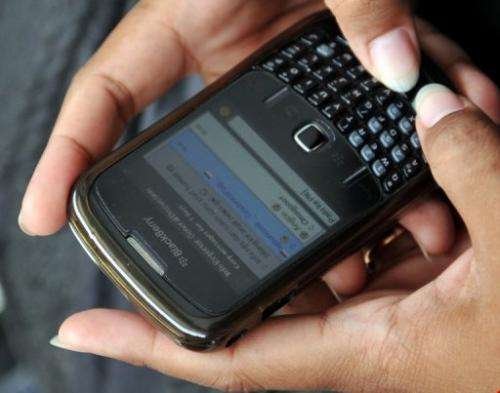
The pace of innovation and change in mobile devices is so dizzying it is difficult to predict the winning platforms and products of the next few years.
With that caveat, a panel of technology executives and experts nevertheless took out their crystal balls on Wednesday at the Fortune Brainstorm Tech conference in this Colorado resort to take a glimpse into the mobile future.
Before an audience of movers and shakers from Silicon Valley and elsewhere, they looked at trends among smartphones and the fast-growing market for tablet computers pioneered by Apple's iPad.
"I'd say that whatever we can imagine in this room right now will be possible in five years," said George Colony, founder and chief executive of technology and market research company Forrester.
"Everyone will have smartphones within four years, all over the world, it'll be so cheap," Colony said. "By 2014 we believe that one-third of Americans will own a tablet."
Frank Meehan, founder of handset maker INQ Mobile, repeatedly brought up the futuristic Steven Spielberg film "Minority Report" to describe the possibilities on the horizon for mobile devices.
In the 2002 film, star Tom Cruise notably moves pictures, documents and video around on an interactive screen at lightning speed using just hand motions.
Colony traced the evolution of the user interface for mobile devices to the current touchscreen technology popularized by the iPhone and iPad and pondered what might come next.
"Microsoft could take the Kinect technology and that could be the next big change," he said of the motion-sensing XBox 360 game controller from the US software giant.
"If you look back at over 30 years of tech, all of the big changes have come through changes in user interface," Colony said. "Always look to user interface if you want to understand where the thunderstorm will be."
Stephen Hoover, chief executive of PARC, Xerox's legendary research and development unit, said next-generation mobile capability will involve the seamless "integration of the physical and digital worlds."
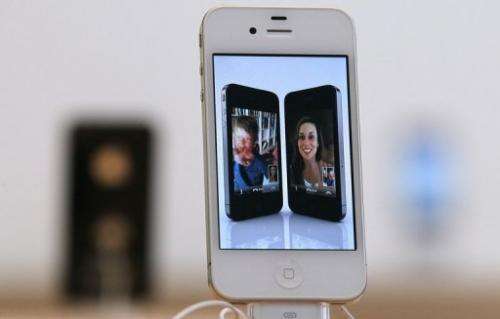
Mobile devices will be able to provide "the information that's most relevant to me now, physically where I am, and in the context of what I'm trying to do," Hoover said.
"We're at the cusp of really being able to integrate all of these different sources of data and understand people's intention in context and give them the information that's useful at the time they need it," he said.
Todd Bradley, executive vice president of US computer giant Hewlett-Packard, agreed and said mobile devices will possess an ability to deliver what he called a "ubiquitous experience."
He spoke of "the ubiquity of a device that knows I'm at Starbucks and that I read The New York Times when I'm at Starbucks."
The US coffee chain is already allowing patrons in the United States to pay for their lattes with mobile phones, and the Fortune Brainstorm panelists said they expect huge growth over the coming years in mobile payments.
"I actually wonder if the lead in mobile isn't going to come from Asia," said Meehan. "In China, in India, in Indonesia the mobile operator is your source of cash."
Hoover said the increasingly powerful cameras built into mobile phones and tablets will provide all sorts of other opportunities.
"You look at the quality of the cameras today in the device and the power that they have and there's a lot of things you can do with scene recognition," he said.
"I hold up a camera to the sign of the restaurant and get recommendations," Hoover said. "We have that technology today, it's about putting it together."
(c) 2011 AFP


