WikiLeaks to publish 15,000 more Afghan war papers
(AP) -- Military documents laid bare in the biggest leak of secret information in U.S. history suggest that far more Iraqis died than previously acknowledged during the years of sectarian bloodletting and criminal violence unleashed by the 2003 U.S.-led invasion.
The accounts of civilian deaths among nearly 400,000 purported Iraq war logs released Friday by the WikiLeaks website include deaths unknown or unreported before now - as many as 15,000 by the count of one independent research group.
The field reports from U.S. forces and intelligence officers also indicate U.S. forces often failed to follow up on credible evidence that Iraqi forces mistreated, tortured and killed their captives as they battled a violent insurgency.
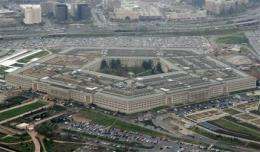
The war logs were made public in defiance of Pentagon insistence that the action puts the lives of U.S. troops and their military partners at risk.
Although the documents appear to be authentic, their origin could not be independently confirmed, and WikiLeaks declined to offer any details about them.
The 391,831 documents date from the start of 2004 to Jan. 1, 2010, providing a ground-level view of the war written mostly by low-ranking officers in the field. The dry reports, full of military jargon and acronyms, were meant to catalog "significant actions" over six years of heavy U.S. and allied military presence in Iraq.
The Pentagon has previously declined to confirm the authenticity of WikiLeaks-released records, but it has employed more than 100 U.S. analysts to review what was previously released and has never indicated that any past WikiLeaks releases were inaccurate.
At a news conference in London on Saturday, WikiLeaks said it would soon publish 15,000 additional secret Afghan war documents. The group has already published some 77,000 U.S. intelligence reports about the war in Afghanistan in addition to the almost 400,000 alleged secret U.S. documents about the Iraq war.
Casualty figures in the U.S.-led war in Iraq have been hotly disputed because of the high political stakes in a conflict opposed by many countries and a large portion of the American public. Critics on each side of the divide accuse the other of manipulating the death toll to sway opinion.
Iraq Body Count, a private British-based group that has tracked the number of Iraqi civilians killed since the war began, said it had analyzed the information and found 15,000 previously unreported deaths, which would raise its total from as many as 107,369 civilians to more than 122,000 civilians.
It said most of the newly disclosed deaths included targeted assassinations, drive-by shootings, torture, executions and checkpoint killings.
Al-Jazeera, one of several news organizations provided advance access to the WikiLeaks trove, reported the documents show 285,000 recorded casualties, including at least 109,000 deaths. Of those who died 66,000, nearly two-thirds of the total, were civilians.
The Iraqi government has issued a tally claiming at least 85,694 deaths of civilians and security officials were killed between January 2004 and Oct. 31, 2008.
In July of this year, the U.S. military quietly released its most detailed tally to date of the deaths of Iraqi civilians and security forces in the bloodiest years of the war.
That U.S. body count, reported by The Associated Press this month, tallied deaths of almost 77,000 Iraqis between January 2004 and August 2008 - the darkest chapter of Iraq's sectarian warfare and the U.S. troop surge to quell it. The new data was posted on the U.S. Central Command website without explanation.
In August 2008, the Congressional Research Service said the U.S. military was withholding statistics on Iraqi civilian deaths. The Pentagon did publish in June 2008 a chart on civilian death trends by month that showed it peaking at between 3,500 and 4,000 in December 2006. But it did not release the data used to create the chart.
In 2006 and 2007, the Bush administration and military commanders often played down the extent of civilian killings from revenge killings, blood feuds and mob-style violence in Iraq, much of which had no direct effect on U.S. forces.
Administration figures repeatedly denied Iraq was sliding into civil war. The war did not begin to turn around in a lasting way until the 2007 "surge" of U.S. troops and the decision of key Sunni leaders to cut ties with the foreign-led al-Qaida terror group.
Pentagon press secretary Geoff Morrell called the release of the Iraq war material by WikiLeaks "shameful" and said it "could potentially undermine our nation's security."
"The biggest potential damage here, we think, could be to our forces," he said, "because there are now potentially 400,000 documents in the public domain for our enemies to mine, look for vulnerabilities, patterns of behavior, things they could exploit to wage attacks against us in the future."
He said that about 300 Iraqis mentioned in the documents are "particularly vulnerable to reprisal attacks" because of the documents' release and that U.S. forces in Iraq are trying to protect them.
WikiLeaks founder Julian Assange denied that claim.
Speaking to reporters in London on Saturday, he said the Pentagon allegations were "simply not true" and said he was confident Iraqis weren't named in the documents.
"I'm worried that the press credibly report statements like that from the Pentagon," he said.
A review of the documents by the AP found no names.
"We are confident now that the documents in the highly redacted form contain no information that could be harmful to individuals," said WikiLeaks spokesman Kristinn Hrafnsson.
WikiLeaks gave the AP a censored version of the files, with some names of people, countries and groups redacted. Fuller versions were offered to other news outlets ahead of time, according to a WikiLeaks member at London's Frontline Club, where a handful of journalists was given last-minute access before the war logs were released more widely.
WikiLeaks declined to make the less-redacted files available to the AP, saying journalists wanting such a copy would have to lodge a request with the organization, which would respond within a "couple of days." Asked why, a spokesman for the group who identified himself only as "Joseph" hung up the phone. Asked again when he appeared at the Frontline Club, he said: "I just can't answer any more questions."
It was not immediately clear whether WikiLeaks released all the military records in its possession. In some cases, names and other pieces of identifying information appeared to have been redacted but it was unclear to what extent WikiLeaks withheld names in response to Pentagon concerns that people could become targets of retribution.
Allegations of torture and brutality by Shiite-dominated security forces - mostly against Sunni prisoners - were widely reported during the most violent years of the war, when the rival Islamic sects turned on one another in Baghdad and other cities. The leaked documents provide a ground's-eye view of abuses as reported by U.S. military personnel to their superiors and appear to corroborate much of the past reporting on such incidents.
©2010 The Associated Press. All rights reserved. This material may not be published, broadcast, rewritten or redistributed.


