Expedition observes hundreds of marine creatures in oil slick
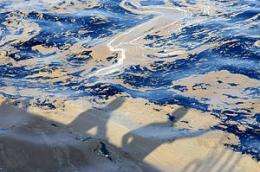
(PhysOrg.com) -- The area affected by the Montara oil spill off the Kimberley coast contains a huge amount of marine life, including some of the most iconic and threatened species in the ocean, according to a marine wildlife survey conducted by WWF.
Dolphins, migratory sea birds and sea snakes were found in abundance in the area, in addition to marine turtles, and many of these species were recorded swimming through the toxic oil affected area during WWF's recent expedition to Timor Sea.
The survey report released today paints a picture of a rich marine community under threat of toxicity from the Montara oil leak which has been ongoing for more than two months.
"We recorded hundreds of dolphins and sea birds in the oil slick area, as well as sea snakes and threatened hawksbill and flatback turtles," said WWF-Australia’s Director of Conservation Dr Gilly Llewellyn, who led the team of ecologists.
"It's a stark contrast to comments made this week by the Australian Petroleum Production and Exploration Association (APPEA) that claimed our survey found no evidence of harm to marine life. This is clearly a false representation of our results and appears to be an attempt to sweep this environmental disaster under the carpet," Dr Llewellyn said.
Overall the expedition recorded 17 species of seabird, four species of cetacean and five marine reptiles including two species of marine turtle. At least eleven of the species were listed migratory and two - hawksbill and flatback turtles - are listed as threatened with extinction under the Environment Protection and Biodiversity Conservation Act 1999.
On Wednesday, PTTEP, the company responsible for the oil slick, reported high levels of mortality among oil- affected seabirds.
"Clearly, wildlife is dying and hundreds if not thousands of dolphins, seabirds and sea-snakes are being exposed to toxic oil. The critical issue is the long term impact of this slick on a rich marine ecosystem, taking into consideration the magnitude, extent and duration of the event," said Dr Llewellyn.
"We know that oil can be a slow and silent killer. Impacts from the Exxon Valdez disaster are still being seen 20 years later, so we can expect this environmental disaster will continue to unfold for years to come."
WWF is aware of a second sea-based survey team that has been to the area and collected data on impacts on marine life and calls on all evidence and observations to be made publically available.
"The public needs to have all available information concerning what has been observed and reported, including findings from Ashmore Reef, and from the vessels and platforms in the area." Dr Llewellyn said.
"There is global concern about this oil spill and its effects on marine wildlife. More surveys are urgently needed as every piece of information helps build a more complete picture."
Provided by WWF


