Three billion Asians face food crisis threat: research
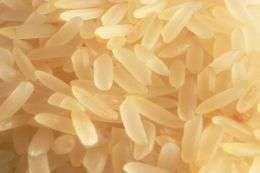
(PhysOrg.com) -- The escalating cost of rice and other foodstuffs across Asia could cause the reversal of policy reforms, social unrest and deepening poverty for over 3 billion Asians – according to new research.
A team of experts from The University of Manchester, University of Delhi and the United Nations’ International Fund for Agricultural Development say the rising costs of basic Asian staples of rice and wheat are a root cause of lower economic growth and higher income inequality.
The researchers reaffirm a recent OECD-FAO report which argues that the surge in food and fuel prices is likely to persist into the next decade.
“Food price inflation is the most regressive of all taxes and is causing devastation across the whole continent of Asia,” said Dr Katsushi Imai from the University of Manchester’s Brooks World Poverty Institute.
“Rising food prices have played an important role in the acceleration of inflation across Asia and the Pacific region during 2007, and especially during the early months of 2008.
“This has important effects on people’s lives in terms of basic subsistence and it’s the poorest, the landless and women who suffer the most.
“The most extreme effect is on malnutrition: according to new World Bank figures, the malnourished will increase by 44 million to 967 million people by the end of 2008 – and that is largely down to food price inflation.”
The team say rising global per capita incomes, increasing demand for meat and dairy products and developing food markets have resulted in global demand outpacing domestic production capacity.
“Increasing protectionism has also contributed to this increasingly worrying food inflation,” he adds.
“In response to spiraling prices, many Asian countries resort to protective measures without realizing that such measures would force more drastic adjustments and higher prices in global markets.
“A vicious circle of spiraling food prices has been sustained by policies designed to protect domestic consumers but likely to deepen the food crisis.”
The team also recommend:
-- A review of World Trade Organisation rules on trade barriers.
-- A re-examination of subsidies to and tariff protection of biofuel production in light of their effects on food security.
-- Regional procurement of food aid by Government aid agencies to reduce transportation costs and boost local agricultural markets.
Provided by University of Manchester


