Gigantic Jurassic raptor footprints unearthed in China
Scientists have discovered the tracks of a 5 meter-long raptor dinosaur, challenging what was previously known about the species' size range.
The University of Queensland was founded in 1909. The student body for graduate and undergraduate is more than 37,000. The UQ is a premier research center for molecular biology and biomedical research. UQ is noted for its high-tech emphasis and research centers devoted to various high level research in cancer, cells and technology. Environmental research is another accomplishment of UQ.
Some content from Wikipedia, licensed under CC BY-SA
Subscribe to rss feed
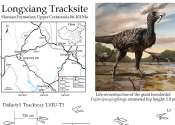
Scientists have discovered the tracks of a 5 meter-long raptor dinosaur, challenging what was previously known about the species' size range.
Paleontology & Fossils
23 hours ago
0
63

A University of Queensland-led study has shed light on how some lizards have evolved to resist deadly neurotoxins from Australia's most venomous snakes.
Evolution
Mar 26, 2024
0
61

University of Queensland sampling during and after the February 2022 Brisbane River flood has sounded a warning about the future of Moreton Bay with climate change predicted to bring more extreme weather.
Environment
Mar 25, 2024
0
4

University of Queensland researchers estimate there could be up to 7,000 tons of microplastics polluting vital ecosystems in Brisbane's Moreton Bay.
Environment
Mar 25, 2024
0
38

University of Queensland researchers say mRNA vaccine technology could play an important role in boosting livestock production to meet global food demands.
Veterinary medicine
Mar 22, 2024
0
22

A researcher from The University of Queensland has discovered a remarkable new genus of fluffy longhorn beetle while camping within a rainforest in the Gold Coast hinterland.
Plants & Animals
Mar 21, 2024
0
63

More focus on integrating research into drought tolerance in crops is essential to prevent the threat to global food security, according to international researchers.
Agriculture
Mar 20, 2024
0
1

Queensland researchers have become the first in Australia to use human stem cells to generate fully functioning skin tissue in a laboratory, a significant step toward better treatments for severe burns and wounds.
Cell & Microbiology
Mar 7, 2024
0
39

University of Queensland research has revealed that protecting smaller but more strategic parcels of land will result in better and more cost-effective biodiversity conservation outcomes globally.
Ecology
Mar 6, 2024
0
13

The University of Queensland has co-led a project to design a cost effective yet robust pen to expand fish farming into deeper ocean areas to help feed the growing global population. The research is published in the Journal ...
Biotechnology
Feb 29, 2024
0
0
