Page 7: Research news on Microbial Consortia

Microbial consortia, as a biological process, refers to the dynamic, functionally integrated interactions among multiple co-occurring microbial species that collectively perform metabolic activities not achievable by individual taxa alone. These processes include syntrophy, cross-feeding, metabolic division of labor, and coordinated responses to environmental cues, often regulated through cell–cell signaling and resource partitioning. Within consortia, emergent properties such as enhanced stability, resilience to perturbation, and optimized biogeochemical cycling arise from coupled metabolic networks and spatial organization. Microbial consortia underlie key processes in natural and engineered systems, including nutrient turnover, waste degradation, bioremediation, and host-associated microbiome functions.

Ocean bacteria team up to break down biodegradable plastic

Biodegradable plastics could help alleviate the plastic waste crisis that is polluting the environment and harming our health. But how long plastics take to degrade and how environmental bacteria work together to break them ...

Microbial assembly line makes plastic upcycling programmable

By converting plastic waste into a microbe-friendly food source, scientists have built an upcycling pipeline that turns the waste into a variety of useful products. The findings are detailed in the journal Nature Sustainability.

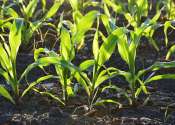
Q&A: How can microbiome science solve problems in agriculture?

Decades of research has shown promise for using microbiome science to solve several problems facing agriculture, but these findings have not yet been translated to practical recommendations for growers, according to a team ...

Root microbes could help oak trees adapt to drought

Microbes could help oak trees cope with environmental change. Publishing in Cell Host & Microbe, a study observing oaks growing in a natural woodland found that the trees' above- and below-ground microbiomes were resilient ...

page 7 from 10