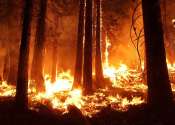
Forest ecosystems are complex, multiscale ecological systems dominated by tree communities and structured by vertical stratification (canopy, understory, forest floor) that regulate energy flow, biogeochemical cycles, and habitat availability. They integrate interactions among primary producers, heterotrophs, decomposers, and abiotic factors such as climate, soils, and hydrology, resulting in distinct successional dynamics and disturbance regimes (e.g., fire, windthrow, pest outbreaks). Forest ecosystems play central roles in carbon sequestration, nutrient cycling, and water regulation, exhibit high spatial heterogeneity and biodiversity, and are key model systems for studying resilience, feedbacks between vegetation and climate, and anthropogenic impacts such as fragmentation, land-use change, and altered disturbance frequencies.