New penguin species found in New Zealand
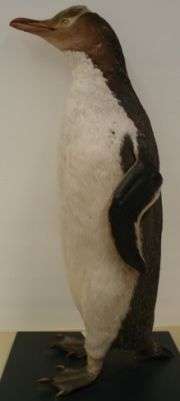
(PhysOrg.com) -- Australian and New Zealand researchers have used ancient DNA from penguin fossils to make a startling discovery that may change the way we view species extinctions.
A team from the University of Adelaide, the University of Otago and Canterbury Museum in New Zealand, has identified a previously unknown penguin species while conducting research on New Zealand’s endangered yellow-eyed penguin, one the world’s rarest penguin species and the subject of an extensive conservation effort.
The Waitaha penguin became extinct after Polynesian settlement but before 1500 AD, creating an opportunity for the yellow-eyed penguin to subsequently colonise the New Zealand mainland from its base in the sub-Antarctic islands.
“Our findings demonstrate that yellow-eyed penguins on mainland New Zealand are not a declining remnant of a previous abundant population, but came from the sub-Antarctic relatively recently and replaced the extinct Waitaha Penguin,” said team member Dr Jeremy Austin, deputy director of the Australasian Centre for Ancient DNA.
“Previous analysis of fossil records and anecdotal evidence suggested that the yellow-eyed penguin was more abundant and widespread in the past, but it now appears they have only been around for 500 years,” he said.
The team, led by University of Otago PhD student Sanne Boessenkool, identified the large-bodied Waitaha Penguin using ancient DNA from prehistoric bones, combined with traditional morphological techniques
“Competition between the two species previously prevented the yellow-eyed penguin from expanding northwards but environmental changes in the predator population, such as the severe decline of sea lions, may have facilitated their colonisation in the South Island.”
Researchers say the surprising finding demonstrates the unexpected ways in which species can respond to human and environmental impacts, and the role of extinction events in shaping our current environment.
Other University of Adelaide members of the research team include Dr Trevor Worthy and Professor Alan Cooper from the School of Earth and Environmental Sciences.
The team’s findings have been published this week in the Proceedings of the Royal Society B: Biological Sciences, an international biological research journal.
Provided by University of Adelaide


