Prescription-drug heists on the rise
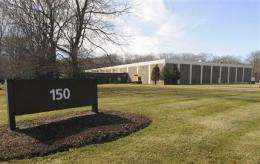
(AP) -- The $75 million heist at a pharmaceutical warehouse in Connecticut this week was just the most audacious example of a growing phenomenon: Thieves are stealing large quantities of prescription drugs for resale on the black market.
Pharmaceutical heists in the U.S. have quadrupled since 2006, a coalition of industry and law enforcement estimates. And experts say the reasons include spotty security and high drug prices that can make such thefts extremely lucrative.
While some stolen pills wind up overseas, others show up on pharmacy shelves in the U.S. with fake labels and lot numbers.
The theft from an Eli Lilly & Co. warehouse early Sunday is the largest of its kind on record and attests to the growing sophistication of those who pull off such crimes.
Authorities say the thieves cut a hole in the roof, lowered themselves into the building on ropes, disabled the alarm system and stole enough drugs to fill a tractor-trailer. The stolen pharmaceuticals included best-selling antidepressants Prozac and Cymbalta.
"The people that target the pharmaceutical industry are an organized criminal element," said Charles Forsaith, director of supply chain security for drugmaker Purdue Pharma. "This isn't a couple of guys walking by a warehouse and saying, `I'm going to hit that place.'"
Forsaith heads a coalition of drug companies, distributors and law enforcement officials who have been working to prevent such thefts since 2006.
In the past four years, reported thefts of prescription drug shipments have quadrupled from 11 to 46, according to FreightWatch International, a security firm. Last year, roughly $184 million in pharmaceuticals were stolen in the U.S., up from $96.6 million the year before. Most of the heists involve cargo stolen from trucks or cargo containers, though company warehouses have also been hit.
Widely abused drugs like morphine and codeine are often peddled on the street, but federal officials say drugs like those stolen from Lilly are often sold back to medical suppliers.
Major drugstore chains say they purchase pharmaceuticals only from manufacturers or wholesalers that certify the source of their product.
But with layers of drug wholesalers, distributors and online pharmacy businesses across the U.S., experts say stolen prescription drugs can easily be resold.
"Some of these thieves completely redo labels, and they pass muster if no one's looking too closely," said Food and Drug Administration spokesman Tom Gasparoli.
The danger to the public comes if the thieves decide to hold onto the product until it expires and becomes unsafe.
"If they flood the market with this stuff now they're going to get caught. If they hold on to them too long, you're going to have shelf-life issues," said Steve Brozak, president of WBB Securities, an investment firm focused on the drug industry.
A year ago, a refrigerated truck of insulin worth more than $10.9 million was stolen from Novo Nordisk in North Carolina. Months later the FDA reported several cases of diabetics showing up in emergency rooms with unsafe blood sugar levels; the cases were traced to the stolen insulin, which was not properly refrigerated.
Security experts say the incentives behind pharmaceutical theft are largely confined to the U.S. and unlikely to change anytime soon.
"Whenever you have a health care system where drugs are very expensive and there's a fragmented supply chain, you're going to have a means to profit from stolen drugs," said Ron Greene, a spokesman for FreightWatch.
According to Greene, pharmaceutical theft is virtually nonexistent in Europe, where government controls keep drug prices low and most people have health care coverage.
Drugmakers are taking steps to protect their products. FreightWatch advises companies to hire security personnel to protect major shipments. In other cases they can install electronic tracking systems to monitor where their trucks are at all times.
The FDA has stepped up its own efforts, issuing alerts to the public, working with manufacturers, wholesalers, pharmacies and law enforcement, and publishing lot numbers of stolen drugs on a Web site.
"FDA stresses that it is everyone's responsibility in the supply chain to look closely, to care about the quality of the products they sell," Gasparoli said. "If there is not a solid market for these stolen goods, the thieves will do something else."
©2010 The Associated Press. All rights reserved. This material may not be published, broadcast, rewritten or redistributed.


