Europe wants unified system for recharging electric cars in 2011
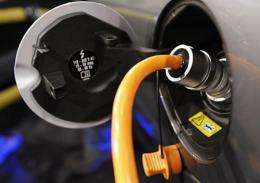
EU nations agreed Tuesday on the need to develop a standardised system for recharging electric cars throughout Europe by next year as part of efforts to convince sceptical consumers.
The union's 27 industry ministers, meeting in Brussels, said it was a priority to develop "a harmonised solution for the interoperability between electric vehicles and the charging infrastructure."
It was also important to address safety risks and electromagnetic compatibility, they said.
Harmonisation across Europe is of "key importance in order to ensure that electric vehicles can be recharged, domestically or at public station points without difficulty within the territory of the EU and with the use of any electric vehicle charger" by mid-2011, a joint agreement stressed.
Such a standardised and easy-to-use system "is a prerequisite for consumer acceptance and, subsequently, the mass market uptake of electric vehicles," the statement said.
Spanish Industry Minister Miguel Sebastian, whose country holds the EU's rotating presidency, said he was "very satisfied" with the adopted strategy, and in particular the timeframe, as a way of ending "the big differences on the future of the electric car" in the European Union.
However for the technology to be widely accepted, the cars themselves will have to come with a reasonable price tag, enough battery power to make them feasible and an easy method of recharging, he said.
The ministers agreed that while regular petrol and diesel engines "will remain dominant in the short and medium term perspective", electric and future hydrogen vehicles were a "highly promising ultra-low-carbon" technology.
Their wide introduction could cut greenhouse gas emissions and reduce Europe's dependency on fossil fuels.
Another benefit was reduced noise on the streets, although this could present the danger of pedestrians or other drivers being less aware of an approaching vehicle, they said.
Sebastian said the European ministers agreed there would have to be suggestions on how to deal with this.
France's Industry Minister Christian Estrosi said the broad lines of pan-European norms for electric cars should be in place before the end of the year.
On pricing, the EU Commission was to propose financial incentives for buying greener vehicles.
(c) 2010 AFP


