Fatty diet during pregnancy makes new cells in fetal brain that cause early onset obesity
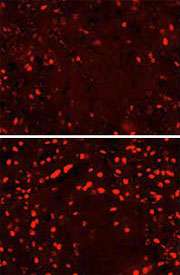
A study in rats shows that exposure to a high-fat diet during pregnancy produces permanent changes in the offspring's brain that lead to overeating and obesity early in life, according to new research by Rockefeller University scientists. This surprising finding, reported in the Nov. 12 issue of the Journal of Neuroscience, provides a key step toward understanding mechanisms of fetal programming involving the production of new brain cells that may help explain the increased prevalence of childhood obesity during the last 30 years.
"We've shown that short-term exposure to a high-fat diet in utero produces permanent neurons in the fetal brain that later increase the appetite for fat," says senior author Sarah F. Leibowitz, who directs the Laboratory of Behavioral Neurobiology at Rockefeller. "This work provides the first evidence for a fetal program that links high levels of fats circulating in the mother's blood during pregnancy to the overeating and increased weight gain of offspring after weaning."
Research in adult animals by Leibowitz and others has shown that circulating triglycerides stimulate brain chemicals known as orexigenic peptides, which in turn spur the animals to eat more. Scientists also have shown that obese and diabetic mothers produce heavier children and that exposure to fat-rich foods early in life leads to obesity in adulthood. These studies suggested that food intake and body weight may be programmed during fetal development. But little was known about the mechanism underlying this programming.
Leibowitz and her colleagues have identified mechanisms in the brain that explain this programming. They looked at the effects of feeding pregnant rats a high fat diet for two weeks compared with a balanced diet containing a moderate amount of fat. The researchers found that rat pups born to mothers who consumed the high fat diet, even after the diet had been removed at birth, ate more, weighed more throughout life, and began puberty earlier than those born to mothers who ate a balanced diet for the same two week period. They also had higher levels of triglycerides in the blood at birth and as adults and greater production of brain peptides that stimulate eating and weight gain.
Leibowitz and her colleagues then looked at the pups' brain development during the last week of pregnancy. They examined the number and types of neurons being born and made a surprising discovery: The pups from the mothers fed high fat diets had, in utero, a much larger number of neurons that produce the appetite-stimulating orexigenic peptides - and they kept them throughout their lives. During gestation, the mother's fat-rich diet also stimulated the proliferation of neuronal precursor cells and their differentiation and migration to obesity-promoting centers in the brain. In rats on a balanced diet, these neurons were much fewer in number and appeared much later after birth.
"We believe the high levels of triglycerides that the fetuses are exposed to during pregnancy cause the growth of the neurons earlier and much more than is normal," says Leibowitz.
The researchers hypothesize that because the mother must prepare her embryos to survive on her diet, they need to be born with the brain mechanisms that allow them to eat and metabolize it.
Leibowitz believes similar mechanisms may be operating in humans.
"We're programming our children to be fat," she says. "I think it's very clear that there's vulnerability in the developing brain, and we've identified the site of this action where new neurons are being born. We now need to understand how the lipids affect these precursor cells that form these fat-sensitive neurons that live with us throughout life."
Source: Rockefeller University


