Consumption of some foods associated with decrease in ovarian cancer risk
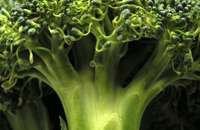
New research from the Channing Laboratory at Brigham and Women’s Hospital (BWH) reports that frequent consumption of foods containing the flavonoid kaempferol, including non-herbal tea and broccoli, was associated with a reduced risk of ovarian cancer. The researchers also found a decreased risk in women who consumed large amounts of the flavonoid luteolin, which is found in foods such as carrots, peppers and cabbage. These findings appear in the November 15, 2007 issue of the International Journal of Cancer.
“This is good news because there are few lifestyle factors known to reduce a woman’s risk of ovarian cancer,” said first author Margaret Gates, ScD, who is a research fellow at BWH. “Although additional research is needed, these findings suggest that consuming a diet rich in flavonoids may be protective.”
The causes of ovarian cancer are not well understood. What is known is the earlier the disease is found and treated, the better the chance for recovery; however, the majority of cases are diagnosed at an advanced (metastasized) stage after the cancer has spread beyond the ovaries. According to the National Cancer Institute, the 5-year relative survival rate for women diagnosed with localized ovarian cancer is 92.4 percent. Unfortunately, this number drops to 29.8 percent if the cancer has already metastasized.
In this first prospective study to look at the association between these flavonoids and ovarian cancer risk, Gates and colleagues calculated intake of the flavonoids myricetin, kaempferol, quercetin, luteolin and apigenin among 66,940 women enrolled in the Nurses' Health Study. In this population, 347 cases of epithelial ovarian cancer were diagnosed between 1984 and 2002.
Although total intake of these five common dietary flavonoids was not clearly beneficial, the researchers found a 40 percent reduction in ovarian cancer risk among the women with the highest kaempferol intake, compared to women with the lowest intake. They also found a 34 percent reduction in the risk of ovarian cancer among women with the highest intake of luteolin, compared to women with the lowest intake.
“In this population of women, consumption of non-herbal tea and broccoli provided the best defense against ovarian cancer,” concluded Gates, who is also a research fellow at the Harvard School of Public Health. “Other flavonoid-rich foods, such as onions, beans and kale, may also decrease ovarian cancer risk, but the number of women who frequently consumed these foods was not large enough to clearly evaluate these associations. More research is needed.”
Source: Harvard University


