Simpler Radium Test Cuts Analysis Time
A simpler technique for testing public drinking water samples for the presence of the radioactive element radium can dramatically reduce the amount of time required to conduct the sampling required by federal regulations. The U.S. Environmental Protection Agency (EPA) has approved use of the new testing method.
The technique – developed by Bernd Kahn, director of the Georgia Tech Research Institute’s (GTRI) Environmental Radiation Center (ERC), and GTRI senior research scientist Robert Rosson – became advantageous when the EPA established new radionuclide drinking water standards in 2000.
While radium is found at low concentrations in soil, water, plants and food, the greatest potential for human exposure to radium is through drinking water. Research shows that inhalation, injection, ingestion or body exposure to relatively large amounts of radium can cause cancer and other disorders. Since radium is chemically similar to calcium, it has the potential to cause harm by replacing calcium in bones.
As a result, drinking water systems are now required to sample and report on the amounts of two isotopes, radium-226 and radium-228, that are sometimes found in drinking water supplies.
“The Georgia Department of Natural Resources recognized the applicability and benefits of our method because of the new rules and proposed it to the EPA in 2002,” said Kahn.
The new method developed at GTRI requires only two steps. First, hydrochloric acid and barium chloride are added to a sample of water and heated to boiling. Then concentrated sulfuric acid is added and the radium precipitate is collected, dried and weighed. The samples are then counted with a gamma-ray spectrometry system to determine the content of radium-226 and radium-228.
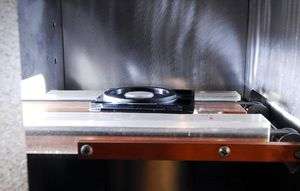
A gamma-ray spectrometer determines the energy and the count rate of gamma rays emitted by radioactive substances. When these emissions are collected and analyzed, an energy spectrum can be produced. A detailed analysis of this spectrum is used to determine the identity and quantity of radioisotopes present in the source.
“The old method took four hours for each type of radium you needed to test—totaling eight hours for radium-226 and radium-228,” said Rosson. “Our method does the two tests simultaneously and it takes about half an hour of actual technician time.”
Previously approved EPA methods for measuring radium required several isolation and purification steps involving sequential precipitations from large sample volumes and sometimes liquid-liquid extractions. They all ended with a complicated final preparation step before measurement with an alpha scintillation detection system. The scintillation detector detects and counts the flashes of light that are produced when a radioactive substance interacts with a special coating on the inside of the detection container.
The EPA’s December 2007 deadline requiring every water supply be tested for radium-228 and gross alpha radioactivity greatly increased the number of radium-228 measurements required, as well as the likelihood both radium-226 and radium-228 must be measured in the same sample, also increasing the number of measurements required.
If the total radium concentration measured is above five picocuries per liter, then the water supply is out of compliance and radium-226 and radium-228 must be measured quarterly. This may require the water source to be replaced or treated to reduce the radium concentration. If the amount of radioactivity measured is less than five picocuries per liter, samples may be collected at three-, six- or nine-year intervals.
Since the EPA approved this new testing procedure in July 2006, GTRI’s ERC has been able to use the testing method they developed to analyze water samples from Georgia’s Department of Natural Resources.
“We analyze about 1,200 samples per year for them. With 3,000 to 6,000 water supply entry points in Georgia, we’re not done yet,” noted Rosson.
Since the new rules were published on March 12 in the Federal Register, the official publication of rules from U.S. government agencies, Rosson and Kahn have received dozens of requests for the testing procedure. Departments of natural resources around the country are interested in saving time and money by using GTRI’s procedure that tests for radium-226 and radium-228, according to Rosson.
Source: Georgia Tech Research Institute


