Balancing the economics and ecology of ecosystems
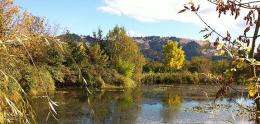
Is it possible to put a dollar value on the beauty of a river or to judge the worth of a wetland?
Some conservationists think so. The concept, referred to as an “ecosystem services market,” involves assigning monetary values to ecosystem services in order to assess their economic worth.
The application of this market is pretty simple: You break it, you buy it.
In other words, when businesses, developers or individuals alter the environment in some way, they must either meet the regulations protecting the natural resources involved, or they have to compensate land and water managers for their adverse impact. This can be done by repairing the environment on site or by reimbursing a conservation bank elsewhere that restores or protects an equivalent habitat. These banks are permanently protected lands that often contain species that are endangered or threatened.
This system may seem purely beneficial from a conservation standpoint, but not all ecologists agree with it. Critics of the market argue that ecosystems provide people with numerous services that aren’t always easily measured or recognized. Is a river filled with a variety of fish and insects worth more than a hiking trail surrounded by birds and wildflowers? Does a pond that offers fishing have more value than a pristine one untouched by humans?
Despite widespread skepticism, several ecosystem services markets already exist in the U.S., including a few developed by The Willamette Partnership in Oregon. They list several reasons on their website for adopting these markets, including the idea that “they marry the economy and the environment, creating new business opportunities while increasing the pace, scope, and effectiveness of conservation and restoration.”
The controversy over quantifying how much our natural resources are worth will be explored in detail during the Ecological Society of America’s annual meeting in August. Experts with opposing viewpoints will discuss the science behind ecosystems and the practicality of simplifying nature down to economic services with monetary values.
One thing that can be agreed upon is that without a solid understanding of the ecological systems being discussed, this method will never work. In order to judge the worth of a stream or a forest, we must first understand our interactions with nature. That’s hardly an easy task in an ever-changing environment.
Provided by Inside Science News Service


