Arctic marine mammals and fish populations on the rise
Apr 24, 2012
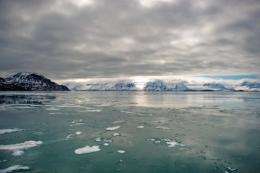
View of the coast of Ny-Alesund, Norway in 2010. Arctic marine mammals and fish populations are on the rise, according to a report released on Monday by the the Arctic Council's biodiversity working group at a Montreal conference.

Arctic marine mammals and fish populations are on the rise, according to a report released on Monday by the the Arctic Council's biodiversity working group at a Montreal conference.

In fact have risen dramatically, according to the findings of the Circumpolar Biodiversity Monitoring Program, the Zoological Society of London, and the .

The three organizations collaborated on the analysis, looking at 890 populations of 323 species of Arctic vertebrates.

The Arctic wildlife population changes, they said in a statement, are linked to "Arctic climate oscillations and changes in commercial harvest" in neighboring waters.

The report identified that fish living close to the surface of the water as opposed to near the ocean bottom were most susceptible to climate change, including such commercially important species as , ocean perch and Arctic cisco.

Some mammals were found to be recovering from exploitation, but rising populations of , bowhead whales and Greenlandic walruses have not returned to historical levels.

Sea ice species ringed seal, beluga whale, and thick-billed guillemot, meanwhile, have declined.

As well, marine birds continued a slow and steady decline that started in the late 20th century. The report said this "may be related to changes in climate, sea ice and food availability" and may be the beginning of a longer-term decline.

The effects of Arctic warming also were not restricted to the far north. The Atlantic Ocean is experiencing a decline in vertebrates thought to be driven by shifts, as well as commercial fishing.

In contrast, the Pacific Ocean has experienced a dramatic increase in vertebrates, amid warmer sea temperatures.

Explore further: Hydro power frenzy 'threatens Carpathian mountains'

add to favorites email to friend print save as pdf

Related Stories

High Arctic species on thin ice

Mar 17, 2010

A new assessment of the Arctic's biodiversity reports a 26 per cent decline in species populations in the high Arctic.

Arctic animals doing better, but not close to pole

Mar 17, 2010

(AP) -- The overall number of animals in the Arctic has increased over the past 40 years ago, according to a new international study. But critters who live closest to the North Pole are disappearing.

Arctic Ocean waters warm suddenly

Oct 07, 2005

Water flowing from the North Atlantic Ocean into the Arctic provides evidence that the Arctic Ocean is warming, according to U.S. and European researchers.

Arctic marine mammals on thin ice

Apr 23, 2008

The loss of sea ice due to climate change could spell disaster for polar bears and other Arctic marine mammals. The April Special Issue of Ecological Applications examines such potential effects, puts them in historical ...

What do killer whales eat in the Arctic?

Jan 30, 2012

Killer whales (Orcinus orca) are the top marine predator, wherever they are found, and seem to eat everything from schools of small fish to large baleen whales, over twice their own size. The increase in hun ...

Recommended for you

Unkempt, weedy land unintentionally boosts wildlife

8 hours ago

Parts of the farm landscape that look overgrown and 'scruffy' are more important in supporting wildlife than they first appear, according to new research published today in Ecology Letters.

Why we need to put the fish back into fisheries

15 hours ago

Overfishing has reduced fish populations and biodiversity across much of the world's oceans. In response, fisheries are increasingly reliant on a handful of highly valuable shellfish. However, new research by the University ...

User comments : 0

More news stories

Mapping a route to stem cell therapies

Monash University researchers are shedding light on the complex processes that underpin the creation and differentiation of stem cells, bringing closer the promise of 'miracle' therapies.

Practice makes perfect? Not so much

Turns out, that old "practice makes perfect" adage may be overblown. New research led by Michigan State University's Zach Hambrick finds that a copious amount of practice is not enough to explain why people ...